Maintaining the Ideal Humidity Level for the Home

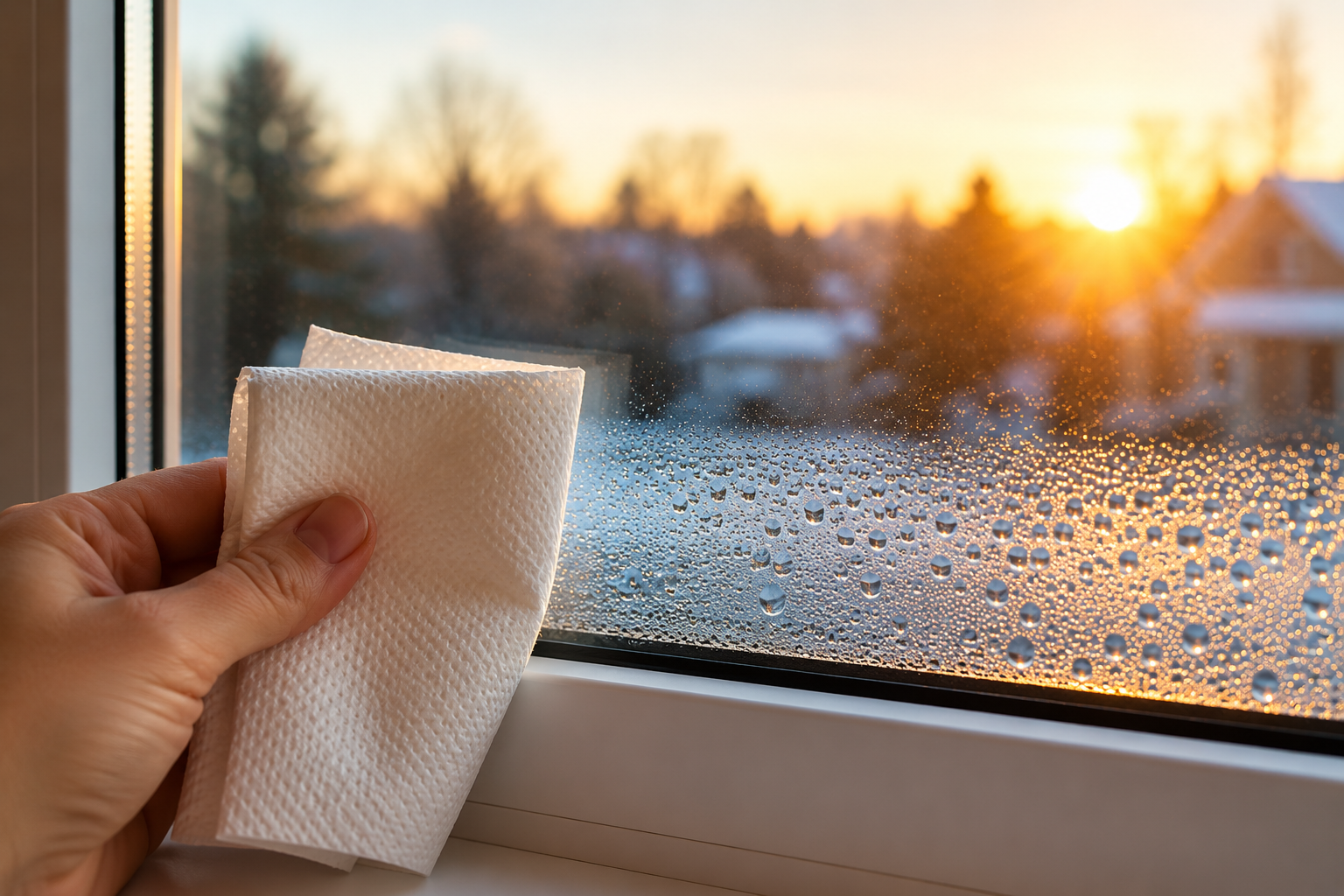
Morning light and window cleaning

Humidity, Dehumidifier, and Humidifier Basics to Know

Indoor comfort is about more than just temperature. The humidity level inside your home plays an important role in your family’s comfort, indoor air quality, and even the condition of your home. If you’ve noticed dry skin during the winter or sticky, humid air in the summer, your home’s humidity may be out of balance.

Here’s why maintaining the right humidity level matters and how whole-home humidifiers and dehumidifiers can help.

Why Is Indoor Humidity Important?

Experts recommend keeping your home’s indoor humidity between 30% and 50% throughout the year. Maintaining this range helps create a healthier, more comfortable living environment while protecting your home from excess moisture or overly dry air.

Proper humidity levels can provide several benefits, including:

  • Improved indoor air quality
  • Reduced irritation to the nose, throat, and skin
  • Less static electricity
  • Better protection for wood floors and furniture
  • Reduced risk of mold growth and dust mites
  • Increased comfort throughout every season

During the winter, properly humidified air can even feel warmer, allowing homeowners to stay comfortable without turning the thermostat higher.

Signs You May Need a Whole-Home Dehumidifier

Too much moisture in your home can lead to comfort issues and potential property damage.

Common signs of excess humidity include:

  • Condensation on windows
  • Musty odors in basements or crawl spaces
  • Mold or mildew growth
  • Peeling paint or wallpaper
  • Warped hardwood flooring
  • Rust on metal fixtures

A whole-home dehumidifier works with your HVAC system to remove excess moisture throughout the entire house—not just one room. Unlike portable units, professionally installed whole-home systems provide consistent humidity control while helping your air conditioner operate more efficiently during humid weather.

Signs You May Need a Whole-Home Humidifier

Air that’s too dry can be just as uncomfortable as excessive humidity.

You may benefit from a whole-home humidifier if you notice:

  • Dry or itchy skin
  • Chapped lips
  • Frequent nosebleeds
  • Static electricity
  • Dry throat or irritated sinuses
  • Cracking wood floors or furniture
  • Houseplants that struggle despite regular watering

A whole-home humidifier adds the right amount of moisture to your home’s air through your existing HVAC system. This provides balanced humidity throughout the house without the hassle of constantly refilling portable humidifiers.

Improve Your Indoor Air Quality Year-Round

Maintaining proper humidity is one of the simplest ways to improve your home’s comfort and indoor air quality. Whether your home feels too dry during the winter or too humid during the summer, a professionally installed whole-home humidifier or dehumidifier can help create a healthier indoor environment while protecting your HVAC system and your home.

Trust SM Heating and Air Conditioning for Indoor Air Quality Solutions

For nearly 30 years, SM Heating and Air Conditioning has helped homeowners throughout Pompton Lakes, NJ, improve their indoor comfort with reliable HVAC and indoor air quality solutions. Whether you’re interested in a whole-home humidifier, dehumidifier, or other indoor air quality services, our experienced technicians are here to help.

Contact SM Heating and Air Conditioning today to schedule an indoor air quality consultation.
The Benefits of Installing a Heat Pump

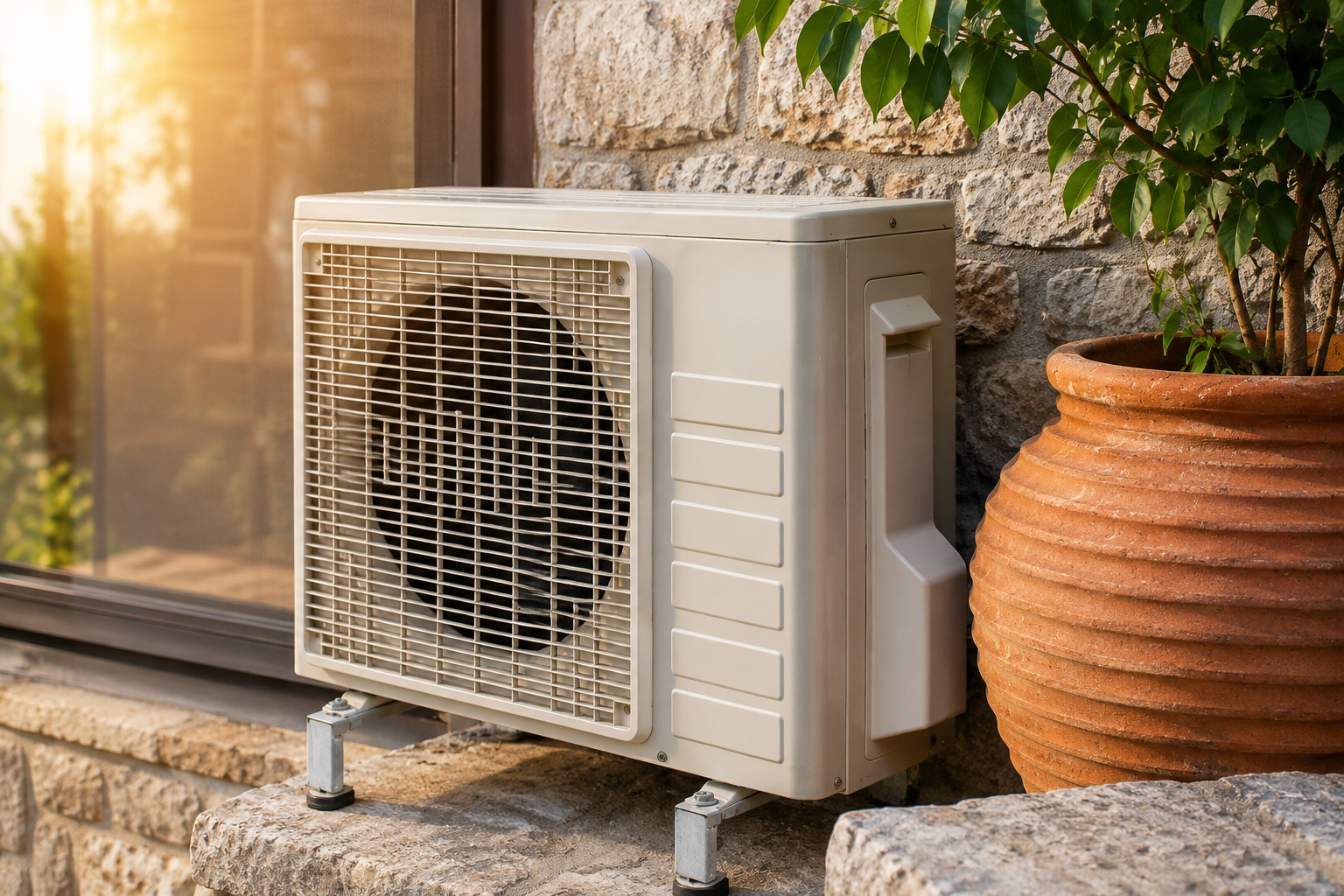
Sunlit porch with air conditioning unit

The Benefits of Installing a Heat Pump

If you’re looking for an energy-efficient way to heat and cool your home, a heat pump may be the perfect solution. Unlike traditional HVAC systems that require separate equipment for heating and air conditioning, a heat pump provides year-round comfort from a single system.

Whether you’re replacing an aging HVAC system or upgrading your home’s efficiency, here’s what you should know about heat pumps, their benefits, and when they may need professional repairs.

What Is a Heat Pump?

A heat pump works by transferring heat rather than generating it. During the winter, it extracts heat from the outdoor air and moves it inside your home. In the summer, it reverses the process, removing heat from your home to keep your living spaces cool and comfortable.

Because one system provides both heating and cooling, many homeowners choose a heat pump to replace separate furnaces and air conditioners.

There are two common types of heat pumps:

Ducted Heat Pumps

A ducted heat pump uses your home’s existing ductwork to distribute conditioned air throughout every room, making it an excellent option for homes with central HVAC systems.

Ductless Mini-Split Heat Pumps

A ductless heat pump, also known as a mini-split heat pump, delivers heating and cooling through individual indoor units installed in specific rooms or zones. This option is ideal for additions, older homes without ductwork, finished basements, garages, or areas where customized temperature control is desired.

Benefits of Installing a Heat Pump

Heat pumps have become increasingly popular because they provide efficient, reliable comfort throughout every season.

Year-Round Heating and Cooling

A single heat pump handles both heating and cooling, eliminating the need for separate HVAC systems while simplifying maintenance.

Improved Energy Efficiency

Since heat pumps transfer heat instead of producing it through combustion, they typically use less energy than many traditional heating systems. This can help lower monthly utility bills while reducing your home’s environmental impact.

Consistent Indoor Comfort

Modern heat pumps use variable-speed and inverter technology to maintain more consistent indoor temperatures with fewer hot and cold spots. They also help improve humidity control during the cooling season.

Flexible Installation Options

Whether your home already has ductwork or requires a ductless solution, heat pumps can be installed in a variety of layouts to meet your comfort needs.

Signs Your Heat Pump Needs Repair

Like any HVAC system, a heat pump may occasionally require professional service. Addressing small issues early can help prevent larger repairs and extend the life of your equipment.

Common warning signs include:

  • Unusual grinding, rattling, squealing, or buzzing noises
  • Weak airflow from vents or indoor units
  • Uneven temperatures throughout your home
  • Frequent system cycling
  • Unexpected increases in energy bills
  • Ice buildup on the outdoor unit outside of normal defrost cycles
  • The system won’t switch between heating and cooling modes

If you notice any of these symptoms, scheduling prompt heat pump repairs can help restore efficiency and prevent more costly problems.

Upgrade Your Home’s Comfort with a Heat Pump

A professionally installed heat pump offers an energy-efficient way to enjoy reliable heating and cooling from one system. Whether you choose a ducted or ductless model, today’s heat pumps provide excellent comfort, quiet operation, and long-term savings for many homeowners.

Trust SM Heating and Air Conditioning for Heat Pump Services

For nearly 30 years, SM Heating and Air Conditioning has proudly served homeowners throughout Pompton Lakes, NJ, with dependable heating and cooling solutions. From heat pump installation to maintenance and repairs, our experienced technicians are committed to helping you enjoy reliable comfort in every season.

Contact SM Heating and Air Conditioning today to schedule your heat pump consultation.